Soap Ingredient Storage Best Practices — Keeping Oils and Lye Safe
Proper storage of soap ingredients prevents spoilage and maintains quality. A guide to storing oils, butters, lye, and fragrances.
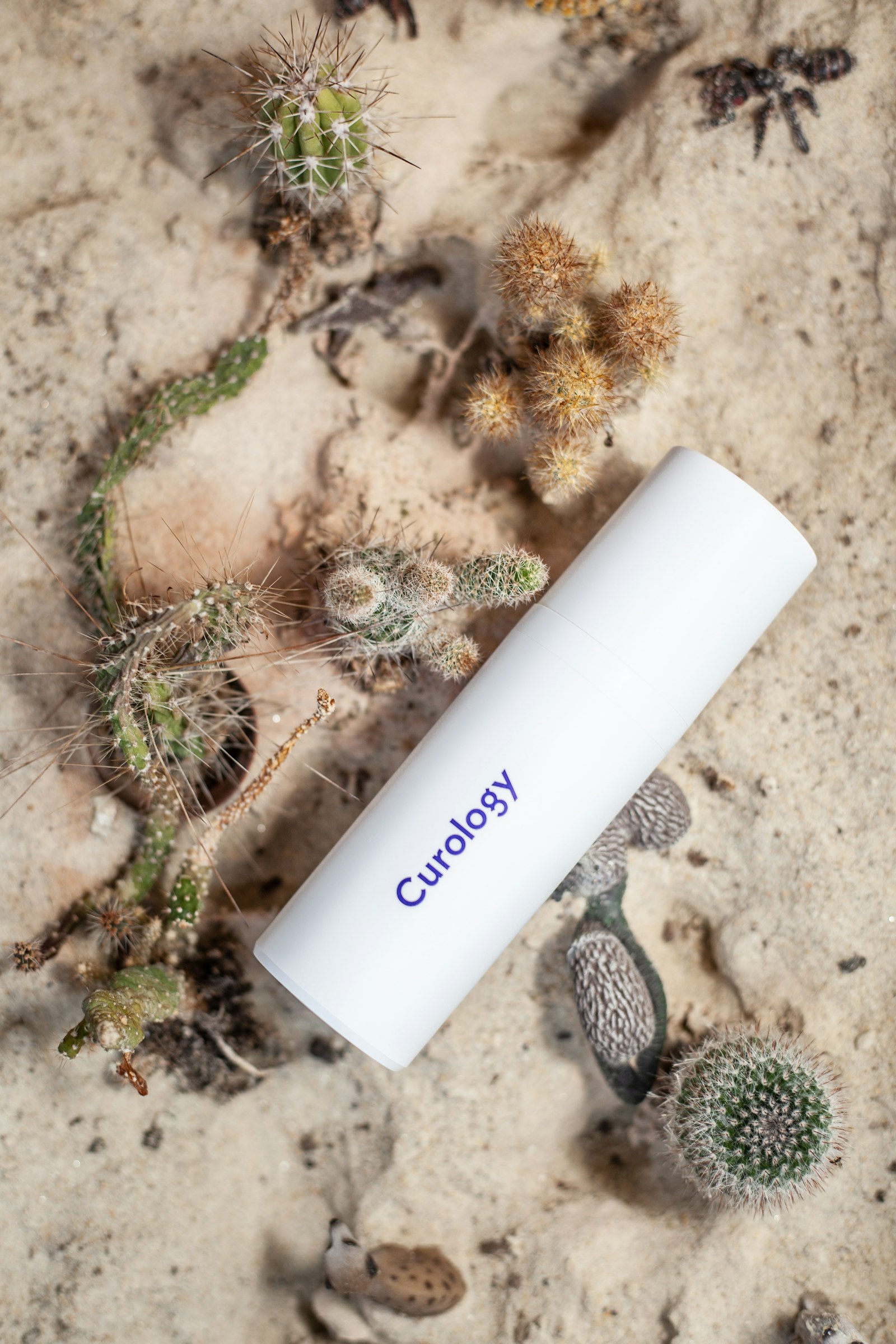
Proper ingredient storage is often overlooked but has a direct impact on soap quality and safety. Rancid oils produce inferior soap. Lye exposed to moisture creates hazardous clumps. Fragrances that degrade lose their potency.
Storing Oils and Butters
Vegetable oils and butters should be stored in cool, dark places away from direct sunlight. Keep containers tightly sealed to prevent oxidation.
Storing Lye
Lye must be stored in airtight, moisture-proof containers. It absorbs water from the air and can form hazardous lumps. Keep lye in a dedicated cabinet away from food and children.
Storing Fragrances
Fragrance oils should be stored in dark, cool locations. Essential oils degrade when exposed to air and light. Keep containers tightly sealed.
Labeling and Organization
Label every container with the purchase date, quantity, and any safety warnings. Keep an inventory list that tracks usage and expiration dates.
Next step
Take this into your own batch
Turn the ideas in this article into a concrete decision with a free SoapCraft Pro tool.
Plan what to buyRelated articles
Soap Calculators
Cold Process Soap Calculator — How to Get Perfect Lye Ratios Every Time
A step-by-step guide to using a cold process soap calculator. Learn how lye ratios, superfat, and water calculations work — and why deterministic math beats guesswork.
Soap Recipes
5 Beginner Soap Recipes That Won't Fail — Verified Formulations
Start your soap making journey with these beginner-friendly recipes. Each formulation is verified with deterministic calculations and includes safety notes.
Soap Making Guides
How to Make Cold Process Soap — A Complete Beginner's Guide
The definitive guide to cold process soap making. From oil selection to cure tracking, learn every step of the process with verified calculations and safety guidelines.