Cold Process vs Hot Process Soap — Which Should You Make?
A detailed comparison of cold process and hot process soap making techniques, including advantages, disadvantages, and when to use each method.
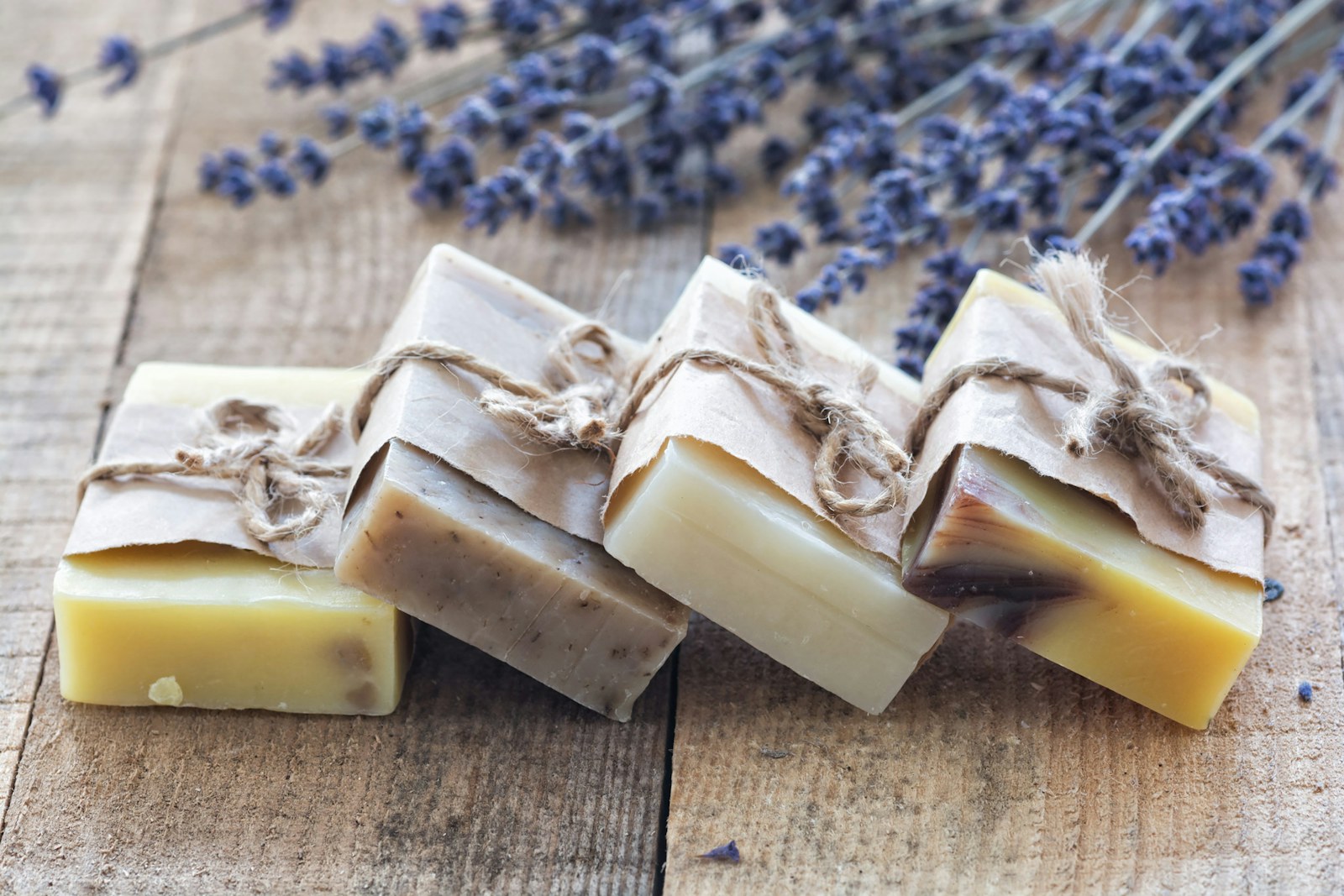
Cold process and hot process are the two primary methods of making soap from scratch.
What Is Cold Process Soap?
Cold process involves mixing oils with a lye solution at room temperature. Saponification occurs naturally over 24-48 hours.
What Is Hot Process Soap?
Hot process uses external heat to accelerate saponification. The soap is fully saponified during cooking.
Detailed Comparison
Cold process gives more precise control. Hot process produces rustic bars with no curing time.
When to Use Each
Cold process: Maximum formulation control, premium bars, intricate designs. Hot process: Immediate sale, rustic appearance, faster turnaround.
Next step
Take this into your own batch
Turn the ideas in this article into a concrete decision with a free SoapCraft Pro tool.
Review the chemistry boundaryRelated articles
Soap Making Guides
How to Make Cold Process Soap — A Complete Beginner's Guide
The definitive guide to cold process soap making. From oil selection to cure tracking, learn every step of the process with verified calculations and safety guidelines.
Formulation
Cure Times and What Happens During Curing — Chemical Changes and Readiness
A detailed guide to soap curing: the chemical changes, moisture evaporation, hardness development, and how to know when soap is ready to use or sell.
Soap Calculators
Cold Process Soap Calculator — How to Get Perfect Lye Ratios Every Time
A step-by-step guide to using a cold process soap calculator. Learn how lye ratios, superfat, and water calculations work — and why deterministic math beats guesswork.